
Mastering Scratch Repair Techniques for Your Car

Car scratches are a common issue for vehicle owners. They can occur from everyday driving, parking, or even minor accidents. Addressing these scratches promptly helps maintain the car’s appearance and value. This guide provides practical advice on how to handle scratch repair effectively.
Understanding Scratch Repair Techniques
Different types of scratches require different repair methods. It is important to identify the depth and severity of the scratch before choosing a repair technique.
Surface scratches affect only the clear coat. These are the easiest to fix.
Deeper scratches penetrate the paint layer and may expose the primer or metal underneath.
Severe scratches that reach the metal require professional attention to prevent rust.
Common scratch repair techniques include:
Polishing and buffing - Removes minor surface scratches by smoothing the clear coat.
Touch-up paint - Used for deeper scratches to fill in missing paint.
Wet sanding - A more advanced method to level the paint surface before polishing.
Professional repainting - Necessary for extensive damage.
Each method has its place depending on the scratch type and location.

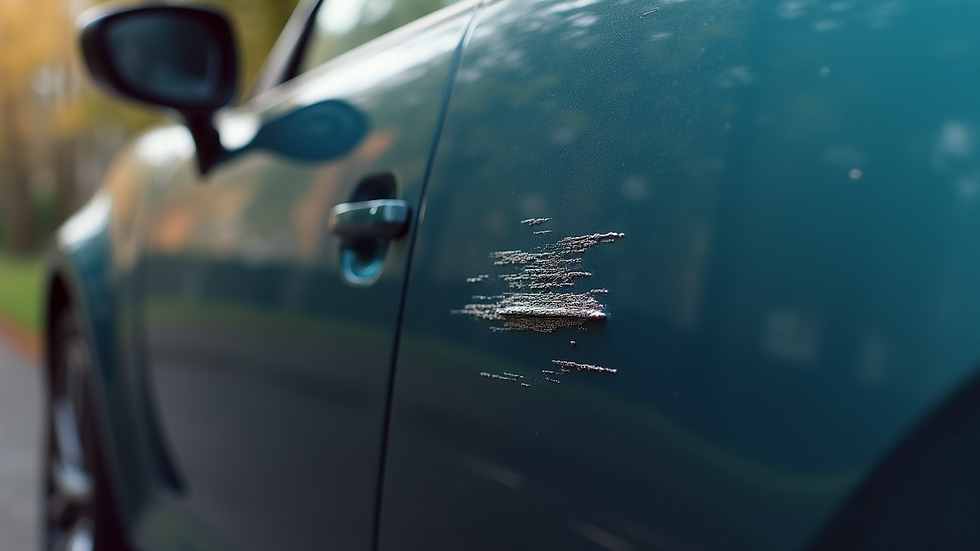
Close-up view of a car door showing a visible scratch
Essential Tools and Materials for Scratch Repair
Having the right tools makes the repair process easier and more effective. Here is a list of essential items:
Microfiber cloths for cleaning and polishing
Scratch removal compounds or rubbing compounds
Touch-up paint matching the car’s colour code
Fine grit sandpaper (1500-3000 grit)
Polishing pads or buffing machines
Masking tape to protect surrounding areas
Before starting, clean the scratched area thoroughly to remove dirt and grease. This ensures better adhesion of repair materials.
Can I Repair a Car Scratch Myself?
Many scratches can be repaired at home with patience and the right materials. Here are some steps to follow for a DIY repair:
Assess the scratch - Run your fingernail over the scratch. If it catches, the scratch is deeper and may need touch-up paint.
Clean the area - Use soap and water, then dry completely.
Apply scratch remover - For light scratches, use a rubbing compound with a microfiber cloth. Rub gently in circular motions.
Use touch-up paint - For deeper scratches, apply paint carefully with a fine brush. Allow it to dry fully.
Polish the area - After paint dries, polish to blend the repair with the surrounding paint.
Wax the car - Finish with a wax coat to protect the repaired area.
DIY repair saves money but requires time and attention to detail. For complex scratches, professional help is advisable.
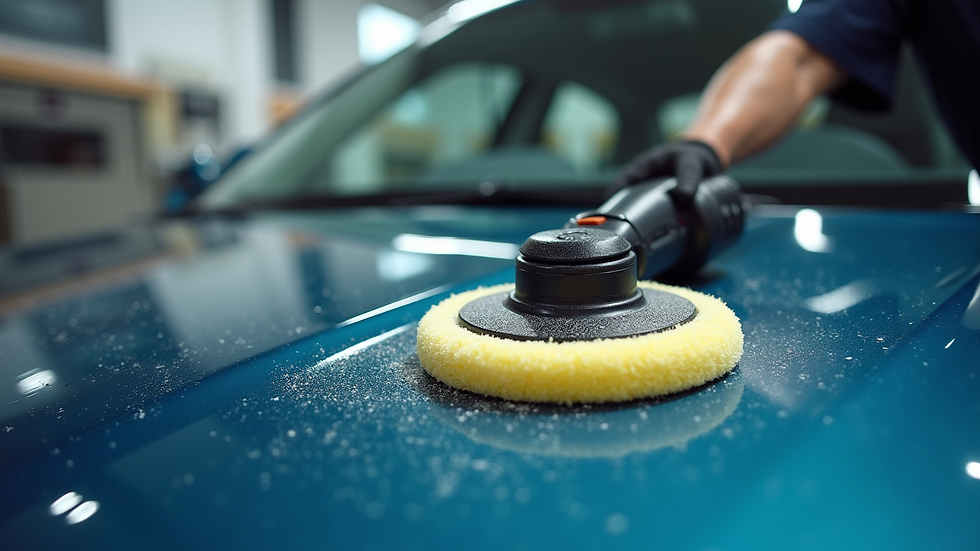
Eye-level view of a car hood with polishing pad and scratch repair materials
When to Seek Professional Scratch Repair Services
Some scratches are beyond simple home repair. Consider professional services if:
The scratch is deep and exposes metal.
The damage covers a large area.
The car has a complex paint finish or metallic paint.
The scratch is on a sensitive area like bumpers or near sensors.
Professionals use advanced techniques such as paint blending, wet sanding, and clear coat application. This ensures a seamless finish and protects the car from rust and further damage.
Maintaining Your Car’s Appearance After Repair
After repairing scratches, maintaining the car’s finish is crucial. Follow these tips:
Wash the car regularly using gentle, pH-balanced car shampoo.
Avoid automatic car washes with harsh brushes.
Apply wax or sealant every few months to protect the paint.
Park in shaded or covered areas to reduce UV damage.
Address new scratches promptly to prevent worsening.
Proper maintenance extends the life of the repair and keeps the vehicle looking its best.
Final Thoughts on Scratch Repair Techniques
Mastering scratch repair techniques helps keep a car in top condition. Whether performing minor repairs at home or seeking professional help, understanding the right approach is key. Using the correct tools and methods ensures effective results and protects the vehicle’s value.
For those in Wymondham, Norfolk, finding a trusted specialist for smart repair and detailing services guarantees expert care. This approach ensures every vehicle leaves looking its best, ready for the road ahead.
For more detailed guidance on scratch repair, visit the recommended local experts.
Comments